






In today’s digital world, getting attention is no longer the biggest challenge — keeping it is.
Consumers scroll past ads in seconds. Traditional marketing campaigns are often ignored, skipped, or forgotten. Brands are now competing not only with other businesses, but with entertainment itself.
This is where gamification changes everything.
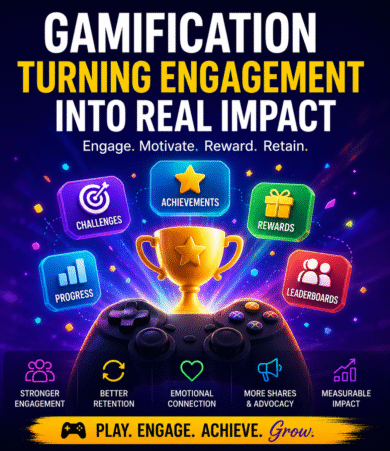
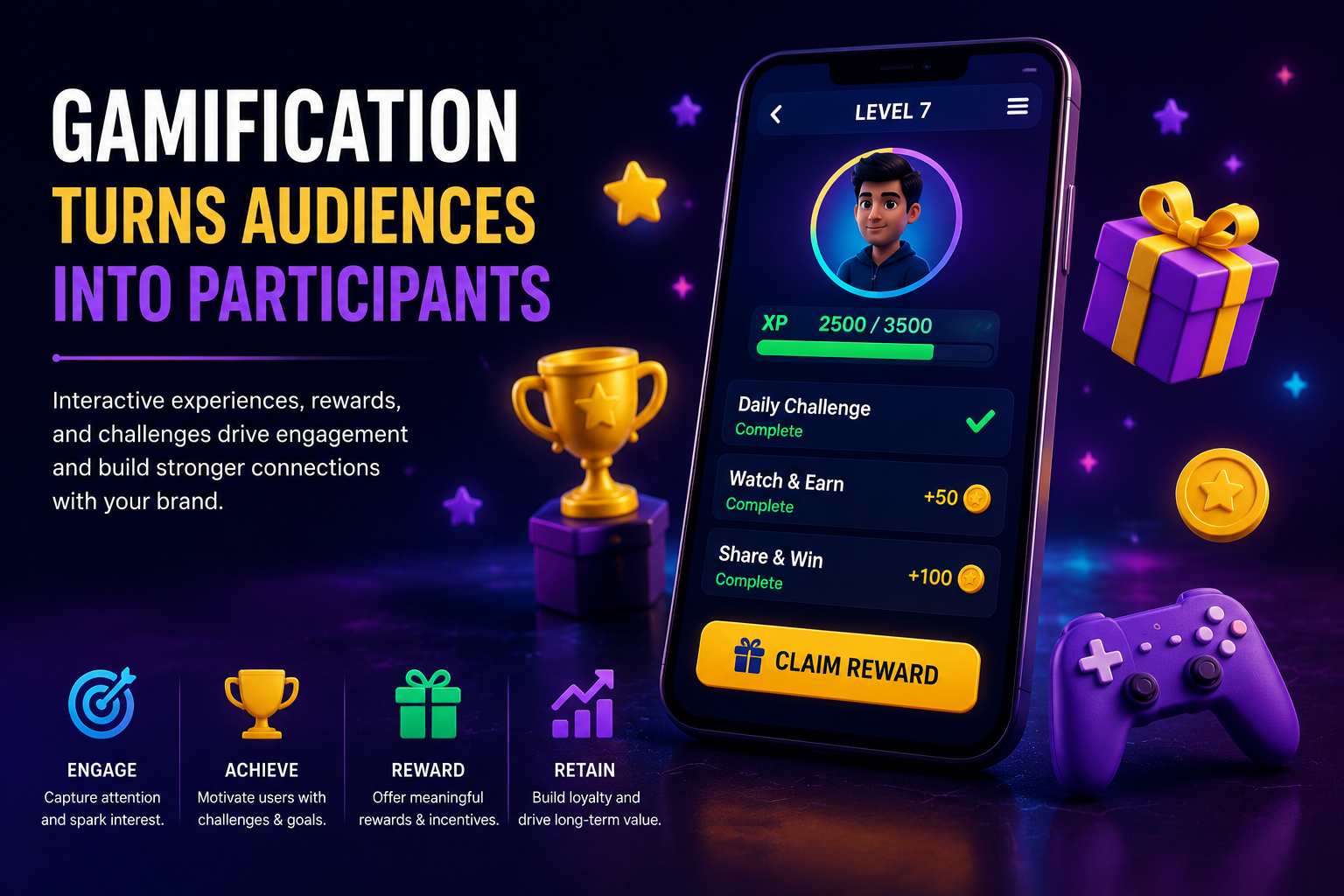
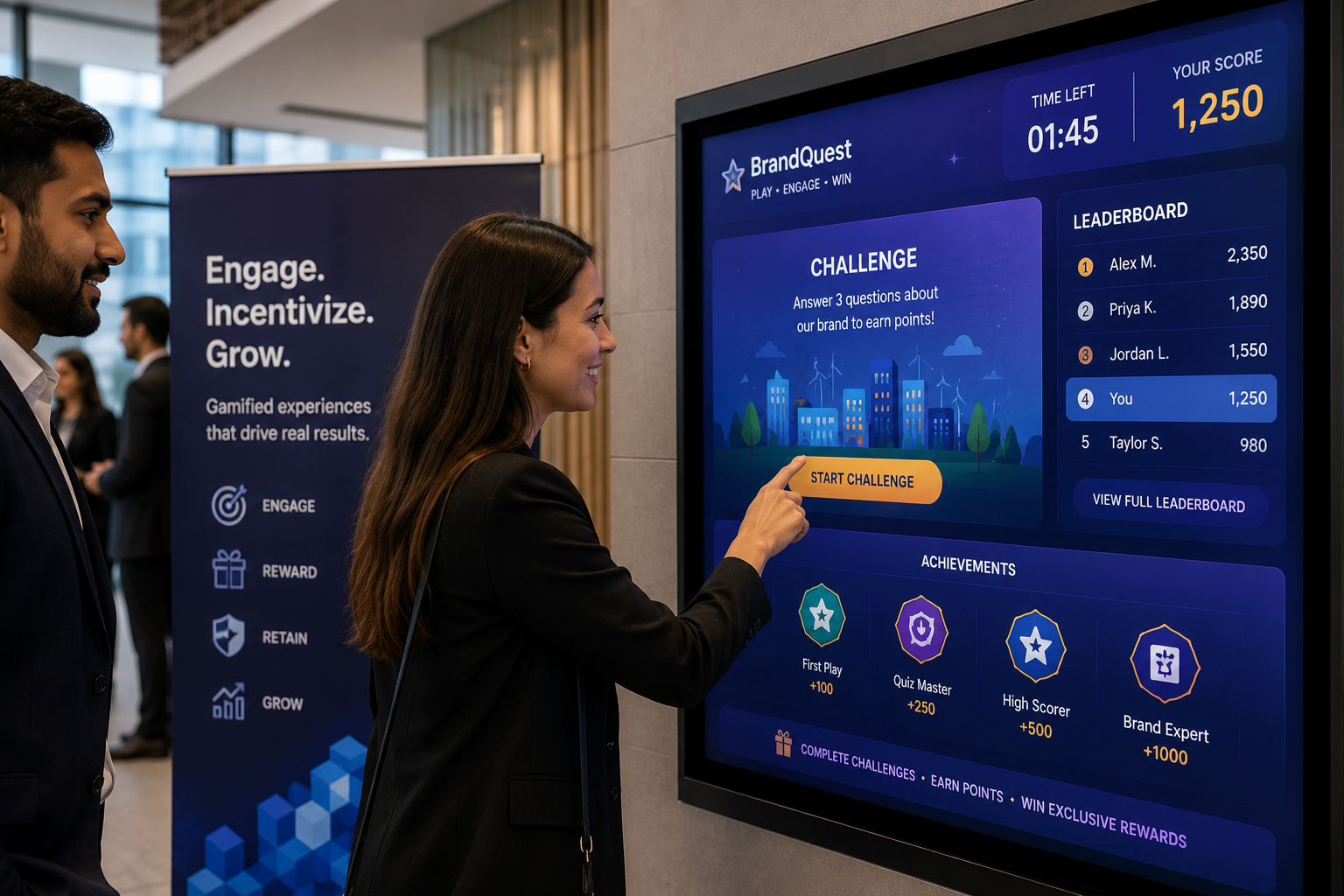
Gamification transforms passive audiences into active participants by using game mechanics such as rewards, challenges, achievements, progression systems, and interactive experiences. Instead of simply showing a message to users, brands invite them to play, engage, and interact.
And the results are powerful.
What Makes Gamification So Effective?
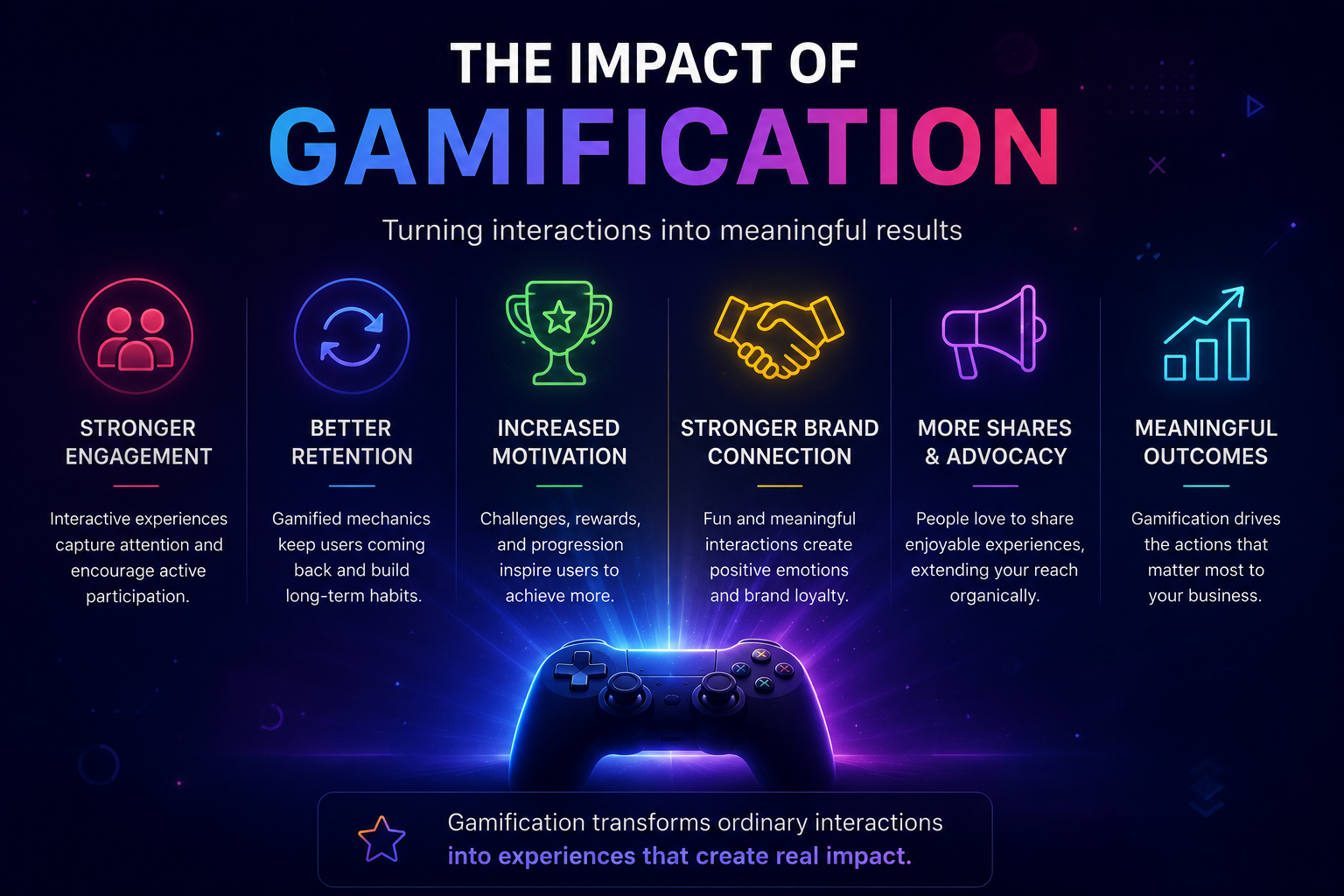
Games naturally trigger curiosity, excitement, competition, and reward-driven behavior. When these elements are integrated into marketing or customer experiences, engagement increases dramatically.
People are far more likely to:
- spend more time interacting with a brand
- remember a campaign
- return multiple times
- share the experience with friends
- develop stronger emotional connections
This is why global brands increasingly invest in interactive campaigns, branded mini-games, reward systems, and loyalty mechanics.
The goal is no longer just advertising.
The goal is participation.
Advergames: Turning Marketing Into Entertainment
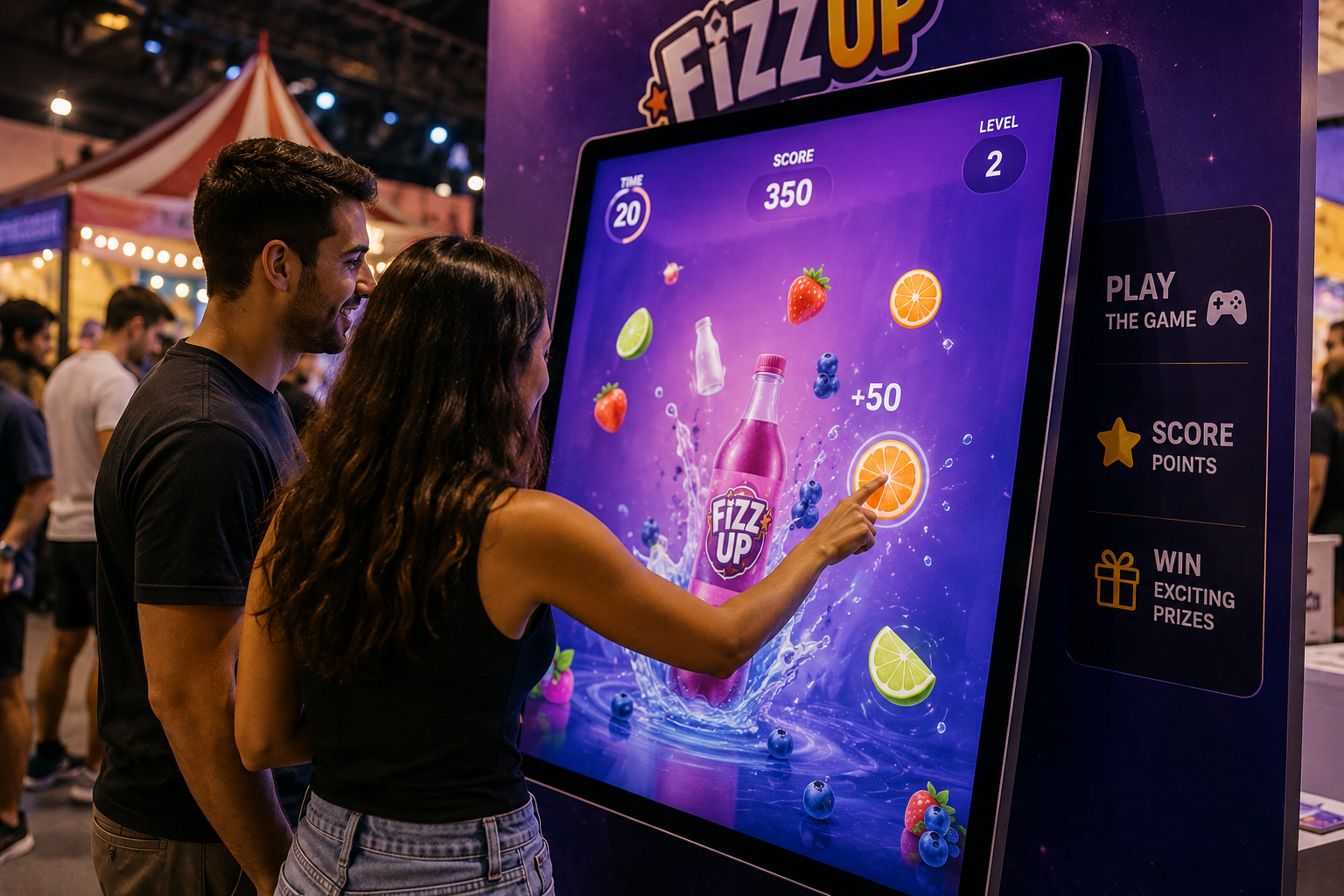
One of the most powerful forms of gamification is the advergame — a custom game designed specifically for a brand, product, or campaign.
Unlike traditional advertisements that interrupt users, advergames attract users voluntarily through entertainment.
Imagine:
- a coffee brand launching a score-based mobile game with unlockable rewards
- a restaurant using a spin-to-win loyalty system
- a retail company creating a seasonal challenge campaign
- a product launch supported by an interactive branded experience
Instead of forcing users to watch marketing, brands give them something fun to experience.
This creates significantly higher engagement and stronger brand recall compared to standard advertising formats.
Why Brands Are Investing in Interactive Experiences
Modern audiences expect interaction.
Static websites and ordinary campaigns are becoming less memorable in an environment dominated by social media, mobile experiences, and short-form content.
Gamification helps brands:
- increase customer engagement
- improve retention
- encourage repeat visits
- boost campaign performance
- create viral potential
- collect valuable user interaction data
- stand out from competitors
Most importantly, interactive experiences leave lasting impressions.
People may forget an ad they saw for five seconds.
They rarely forget an experience they actively participated in.
The Future of Marketing Is Interactive
The brands leading the future are not only selling products — they are creating experiences.
Gamification is no longer limited to mobile games or entertainment companies. Today it is used in:
- marketing campaigns
- customer loyalty programs
- education and training
- employee engagement
- product launches
- events and activations
- e-commerce experiences
As digital audiences continue demanding more engaging content, interactive experiences will become a core part of successful brand strategy.
Ready to Build an Experience People Remember?
We help brands transform ideas into engaging interactive experiences through gamification and advergames designed to increase engagement, retention, and brand impact.
Whether you are looking to launch a branded mini-game, create an interactive campaign, or add gamification mechanics to your business, our team develops custom solutions tailored to your audience and goals.
Because in a world full of ads, the brands people remember are the ones they interact with.